Mongolia pension system overview
The Mongolia pension system is useful for international comparison because it shows how public old-age protection, work-linked pension rights and supplementary saving can be combined in different ways. This profile separates contributory or account-based pension rights from social assistance or tax-funded old-age support, because those routes answer different policy questions.
For readers comparing pension systems by country, the key issue is not only the retirement age. It is also whether retirement income is earned through employment contributions, accumulated in an account, paid as a public old-age allowance, or provided through a targeted social assistance program.
Main work-linked pension route
The main contributory or work-linked route is Social insurance old-age pension. Public pension rights based on insured work and contribution history. Eligibility is scheme-specific: Eligibility depends on statutory age and insurance record, with special rules for some occupations and circumstances.
Contribution financing is also route-specific. Social insurance contributions from workers, employers and other covered groups. That means the pension system in Mongolia should not be summarized as a single benefit formula unless the reader knows which pillar they are reviewing.
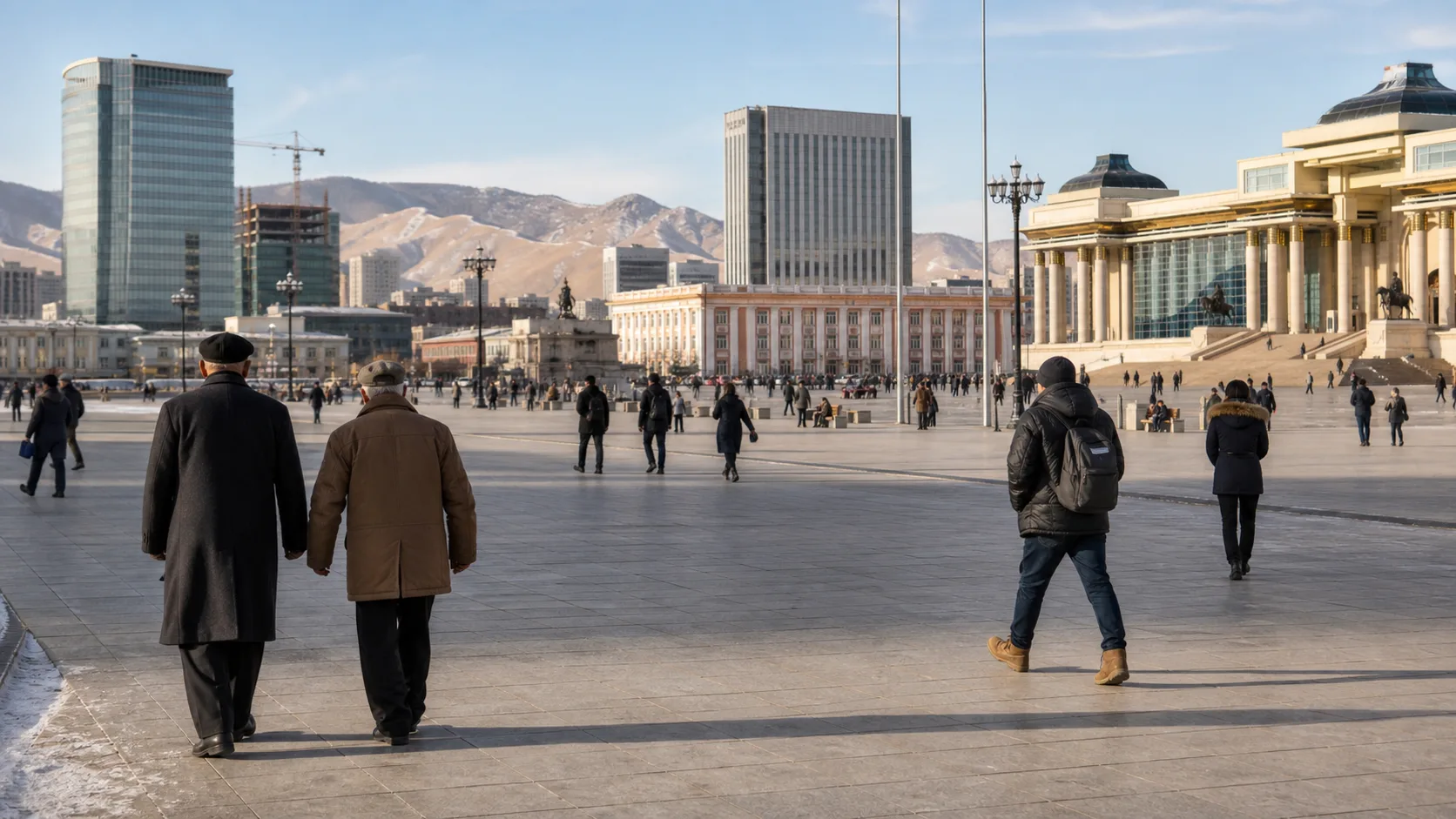
Social assistance and minimum old-age support
The social assistance or minimum-support route is Social welfare pension. Tax-funded support for eligible older people who do not qualify for a social insurance pension. Eligibility depends on age, residence and absence of sufficient contributory pension rights.
This distinction matters for SEO and for policy comparison. A social pension, old-age grant, allowance or welfare pension may protect older people with limited resources, but it is not the same thing as a contribution-financed pension earned from insured work.
Contributions, benefits and retirement age
Social insurance contributions are paid by covered workers and employers under statutory contribution rules. Contributory benefits depend on wages, contribution record and formula rules; welfare pension benefits follow public assistance rules.
The headline retirement-age label for this profile is 60 men; 55 women. Route-specific rules, contribution histories and account rules can change the practical answer for an individual worker.
Private pillars, tax and portability
Voluntary insurance or saving: Additional voluntary contributions or saving can supplement statutory rights where available. Employer-based saving: Occupational or employer support is supplementary rather than the main public pension design. Tax treatment depends on benefit type and current Mongolian tax and social insurance rules.
Portability depends on domestic law and applicable bilateral social security arrangements. For mobile workers, the practical next step is to check the relevant institution, account provider or bilateral agreement before comparing benefit rights across borders.
What readers should check next
Readers should verify current contribution rates, pensionable earnings limits, benefit amounts, tax treatment and any recent reforms directly with the official sources listed below. Pension Systems Atlas classifies the architecture and benefit basis, but it does not provide personal pension, tax, legal or investment advice.