
Tajik Pension System overview
The Tajikistan pension system is classified here as ndc and mandatory individual account pension with income-tested social pension. For comparison purposes, the key distinction is between the work-linked pension route and any social assistance, universal or minimum-support layer.
Work-linked public pension in the Tajikistan pension system
The main contributory route is NDC and mandatory individual account pension. Public pension rights are linked to covered employment, notional contributions and individual account balances. SSA describes eligibility at age 63 with 25 years of covered employment for men, or age 58 with 20 years for women. This makes the pension system in Tajikistan useful to compare with systems where contribution density, formal coverage and account balances shape retirement outcomes.
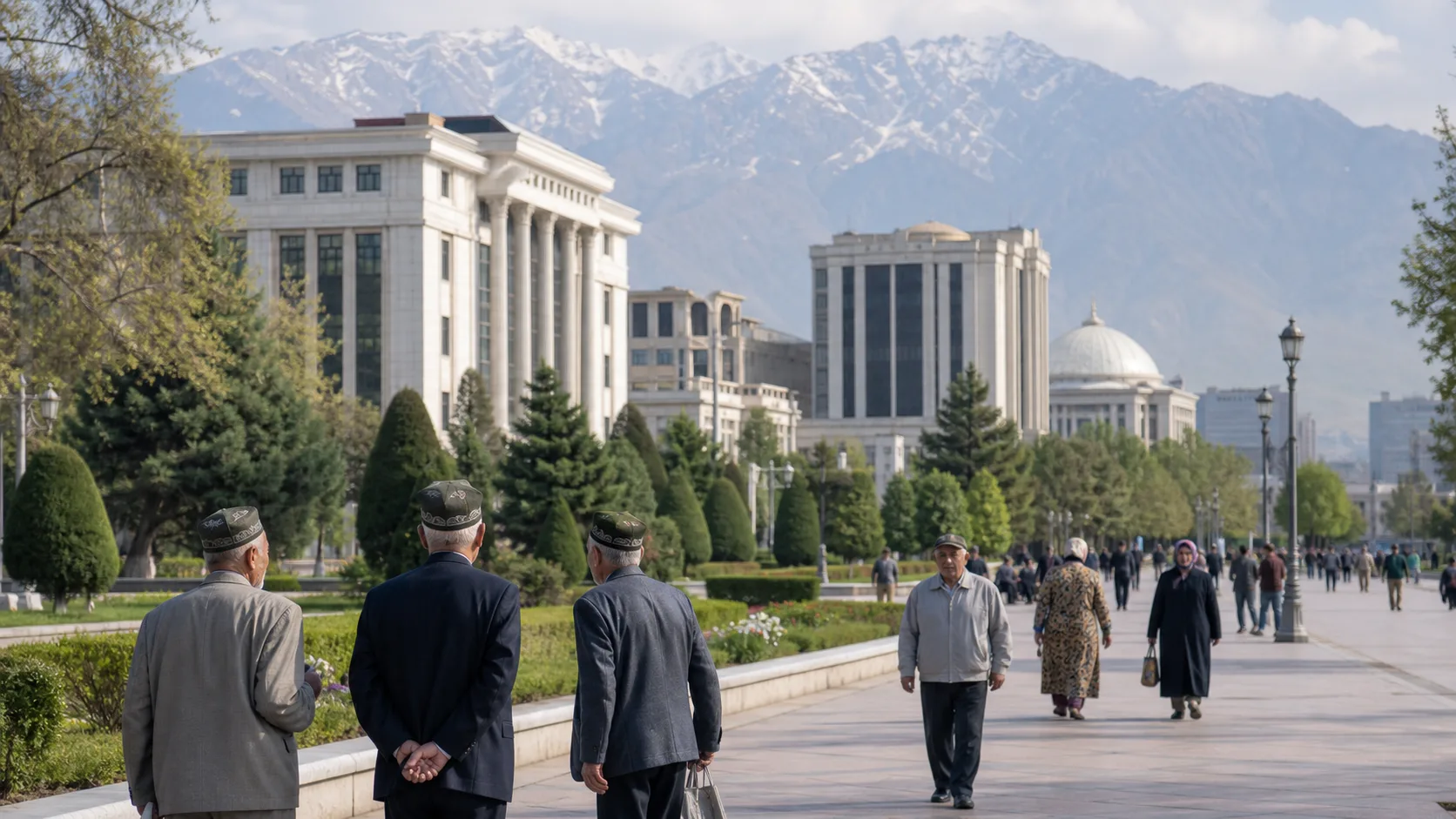
Social assistance and non-contributory support
The social assistance layer in this profile is Income-tested old-age social pension. Income-tested support for older people who do not meet covered-employment requirements for the NDC and individual account pension. It should be read separately from NDC and mandatory individual account pension, because eligibility and funding do not follow the same contribution formula.
Contributions, private saving and portability
Institutional summaries describe 1 percent of employee earnings to the mandatory individual account, employer payroll contributions to the NDC account and self-employed declared-income contributions. Supplementary retirement income depends on employer arrangements, voluntary contributions, individual saving and the local financial market. Portability is a separate check: mobile workers need to confirm whether benefits can be paid abroad, preserved after exit or coordinated with another country.
What readers should check next
Readers should verify the current retirement age, contribution record, covered-worker category, benefit formula, social assistance test, tax treatment and payment-abroad rules with the managing institutions or the institutional sources listed below.